App account deletion doesn't cancel a subscription, and the refund requests that follow can still land on you
Apple and Google Play make you offer app account deletion, but deleting an account stops neither store's billing. Here's what each store requires, why a wiped account can leave you with no answer to a CONSUMPTION_REQUEST or chargeback review, and what to keep.
Key takeaways
- Apple's App Review Guideline 5.1.1(v) says an app that supports account creation must also offer account deletion within the app, and Google Play requires an in-app deletion path plus a web link where users can request deletion.
- App account deletion doesn't cancel a store subscription, because Apple and Google Play bill the customer, not your app. Apple tells developers to notify users that billing will continue through Apple and to ask them to cancel first.
- Apple allows an app to schedule account deletion for the date a subscription expires, as long as the user also has an option to delete the account immediately.
- Google Play says an app may retain certain data for legitimate reasons such as security, fraud prevention or regulatory compliance, provided the app clearly tells users about those retention practices.
- Apple's Send Consumption Information endpoint rejects any request whose customerConsented value isn't true with an HTTP 400 error, and Apple says to send nothing if the customer didn't consent.
- Google Play's pendingRefundReviewNotification identifies the buyer by the obfuscatedAccountId you set at purchase, and you have 24 hours to answer through orders.reviewrefund, so a deleted mapping leaves you nothing to look up.
- For Google Play orders placed after August 3, 2026, a lost chargeback costs the developer the purchase price, less Play's service fee, plus the bank's chargeback fee.
Apple's own guidance says it plainly: when a user with an auto-renewable subscription deletes their account, tell them their billing will continue through Apple. App account deletion is now mandatory on both stores, and on neither store does it stop the charges. The subscription lives with Apple or Google, not with your user table. So the account goes, the renewals keep coming, and a few weeks later the same person asks for their money back. That refund request can reach you at the exact moment you've thrown away everything you'd need to answer it. Here's what each store requires, where deletion collides with the two refund flows that ask for your input, and what you can keep.
What Apple and Google Play require for app account deletion
Both stores made deletion a listing requirement, and both wrote rules about subscriptions into it. They differ in how much they say about the data you can keep.
| Requirement | App Store | Google Play |
|---|---|---|
| Where deletion must be offered | Within the app (Guideline 5.1.1(v)) | In the app, plus a web link where users can request deletion |
| Subscriptions | Tell users billing continues through Apple and ask them to cancel first | Clearly outline steps like canceling a subscription and offer a support flow |
| Deferred deletion | Allowed to match the subscription's expiration, if immediate deletion is also offered | Not addressed in the deletion policy |
| Keeping some data | Follow local law, and tell users if law requires you to keep data | Allowed for security, fraud prevention or regulatory compliance, if disclosed |
| Timing | Manual or slow deletion is acceptable, tell users how long it takes | Not set by the policy |
| Sign in with Apple | Revoke user tokens through the Sign in with Apple REST API | Not applicable |
On the App Store
Guideline 5.1.1(v) is one sentence long on this point: if your app supports account creation, you must also offer account deletion within the app. Apple's support page fills in the details. It points you to showManageSubscription(in:) on iOS 15 and later, or to the apps.apple.com subscriptions link, so the user can cancel before deleting. It also names beginRefundRequest(in:) and Apple's support link as ways to let customers submit refund requests.
On Google Play
Google asks for two doors: an in-app path to delete the account and its data, and a web link resource for people who no longer have the app installed. If the user has to do something first, such as cancel a subscription, Google says that step must be clearly outlined and a support flow must exist. Google's subscription help for users adds a line many people miss: uninstalling the app doesn't cancel the subscription either.
Why deleted accounts turn into refund requests
Most refunds never ask you anything. Apple decides refund requests itself. On Google Play, buyers can refund many purchases themselves within 48 hours, and support grants others without you. A deleted account doesn't change who decides. It changes what the customer believes they paid for.
Does deleting my account cancel my subscription?
This is the question users actually type, and the honest answer is no. A user who deletes their account and assumes they're done will see the next renewal on their card. To them, it's a charge for a service they ended. That person is a likely refund request, and if the store says no, a likely bank dispute.
The flows that ask for your evidence
Only two refund flows ask a developer for anything. Apple sends a CONSUMPTION_REQUEST and gives you 12 hours to answer through Send Consumption Information. Google Play sends a pendingRefundReviewNotification when a user files a chargeback that needs developer review, and you have 24 hours to answer through orders.reviewrefund. Everything else, from 48-hour self-service refunds to support refunds and voided purchases, is decided without you. Chargebacks, once the bank decides them, are final.
How app account deletion breaks your refund answer
Both evidence flows assume you can connect a store transaction to a person and to what they used. A hard delete cuts that line in two places.
The identifier points to nothing
Google's chargeback notification names the buyer by the obfuscatedAccountId you passed at purchase. On Apple, the appAccountToken you set at purchase plays the same role. Both are your own identifiers. If the row they pointed to is gone, you can't say whether the item was delivered or how much of it was used, so orders.reviewrefund gets a guess or nothing at all inside its 24 hours.
Consent may be gone too
Apple's endpoint won't accept consumption data unless customerConsented is true. It returns an HTTP 400 otherwise, and Apple's guidance is to not respond at all when the customer didn't consent. Apple's own example consent language tells customers they can withdraw consent at any time. Apple doesn't say whether deleting an account withdraws it. If your consent text doesn't settle that, the cautious move is to treat a deleted account as a customer who has stopped consenting, and let the 12 hours pass.
What it costs when a deleted account disputes a charge
The money here comes from renewals you collected but didn't serve, and from disputes you can't answer.
Renewals after deletion
Take a $9.99 monthly subscriber who deletes their account and forgets to cancel. Three more renewals bill $29.97 before they notice. You served none of it, so there's no compute, API or storage cost behind those charges, but there's also nothing to defend. A refund of those months is the likely outcome, and it's a fair one.
Chargebacks you can't contest
For Google Play orders placed after August 3, 2026, a lost chargeback costs you the purchase price, less Play's service fee, plus the bank's chargeback fee. That's the case where deletion hurts most. Say the dispute covers an annual plan bought months before the deletion, which the customer used heavily. You paid for the compute, the third-party API calls and the storage behind that usage. If you wiped the account, you can't show any of it, and you pay the fee on top of losing the sale.
What to keep after app account deletion, and how to tell users
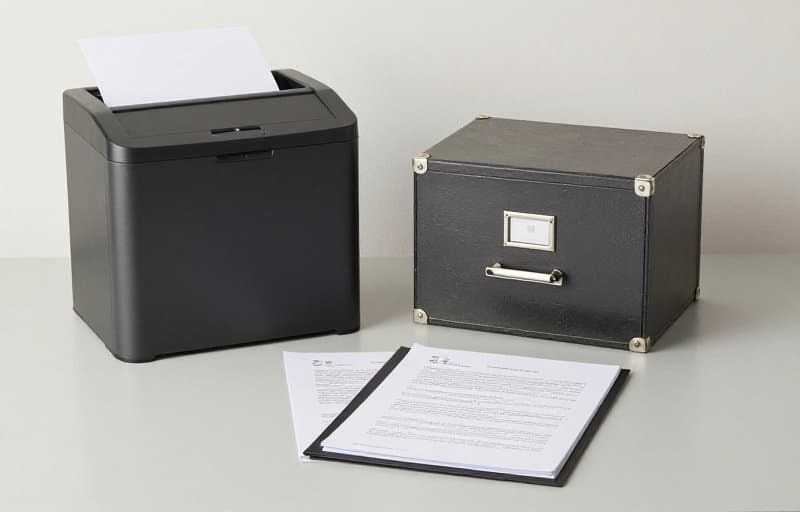
Google's policy names fraud prevention as a legitimate reason to retain data, if you disclose it. Apple's guidance tells you to follow local law and to let users know when law requires you to keep something. Neither is a license to keep the whole profile. Check the specifics with counsel, because the rules vary by country.
A minimal purchase ledger
- Store transaction IDs, order IDs and purchase tokens, with dates and amounts.
- The appAccountToken or obfuscatedAccountId each purchase carried, mapped to that ledger instead of to a profile.
- Delivery status and aggregate usage counts per purchase, not the content the user created.
- The consent state for sharing consumption data with Apple, and when it changed.
Disclose it at the point of deletion
Put the retention in the deletion flow itself, in one or two plain sentences. Say what you keep, why, and for how long. Google requires that disclosure for retained data, and Apple asks you to tell users when law requires you to keep some.
Offer the cancel step before the delete step
Show subscription status on the deletion screen and link to the store's subscription page first. On iOS, Apple lets you offer deletion scheduled for the subscription's expiration date, alongside an immediate option. A user who cancels before deleting won't be charged again, and that's the refund request you never receive.
RefundHalt answers CONSUMPTION_REQUEST and chargeback review notifications from purchase-level records you control. If a customer's account is gone but the ledger entry remains, the response can still go out inside the window.
Frequently asked questions
- Does deleting my app account cancel my subscription?
- No. App account deletion doesn't cancel a subscription bought through the App Store or Google Play, because the store bills the customer. Apple tells developers to warn users that billing continues through Apple, and Google says uninstalling an app doesn't cancel a subscription either. The user has to cancel in the store's subscription settings.
- Can I keep purchase records after a user deletes their account?
- Often, yes, within limits. Google Play says an app may retain data for security, fraud prevention or regulatory compliance if it clearly tells users. Apple says to follow applicable law and tell users when law requires you to keep data. Keep the minimum and confirm the rules for your countries with counsel.
- Can I delay account deletion until the subscription ends?
- On the App Store, yes. Apple allows an option to schedule deletion for the subscription's expiration date, as long as the user can also delete the account immediately. Google Play's deletion policy doesn't address scheduled deletion.
- What happens to a CONSUMPTION_REQUEST for a deleted account?
- Apple still sends it, and you have 12 hours to respond. Apple rejects consumption data unless customerConsented is true and says not to respond without consent. If the account and its consent record are gone, the safe choice is not to respond, and Apple decides the refund without your data.
- Why was I charged after deleting my account?
- Because the subscription is held by Apple or Google Play, not by the app. Deleting the account removes the app's records, but the store keeps renewing until the subscription is canceled in the store's settings. A refund for those renewals has to be requested from the store.
Sources and further reading
- Apple Developer: Offering account deletion in your app
- App Store Review Guidelines, 5.1.1(v) Account Sign-In
- App Store Server API: Send Consumption Information
- App Store Server API: ConsumptionRequest
- Play Console Help: Understanding Google Play's app account deletion requirements
- Google Play Help: Cancel, pause, or change a subscription on Google Play
- Google Play Billing: Real-time developer notifications reference
- Play Console Help: Updates to refund protection and chargeback cost responsibility
RefundHalt
The refund autopilot for the App Store and Google Play
Keep reading
Transfer an app to another developer account and the orders placed before the sale stay with the seller, here's what that means for refunds
When you transfer an app to another developer account, users and subscriptions move but orders and payment records from before the transfer stay behind. Here's who can refund what on Apple and Google Play, which refund plumbing breaks, and what to settle in money before you sign.
Google Play installment subscriptions lock the buyer in but not your revenue, here's what a refund or missed payment costs you
Google Play installment subscriptions commit a buyer to 3 to 24 monthly payments, yet you're paid month by month and nobody chases a missed payment. Here's how cancellations, refunds and chargebacks really work on an installments plan, and what each one costs.